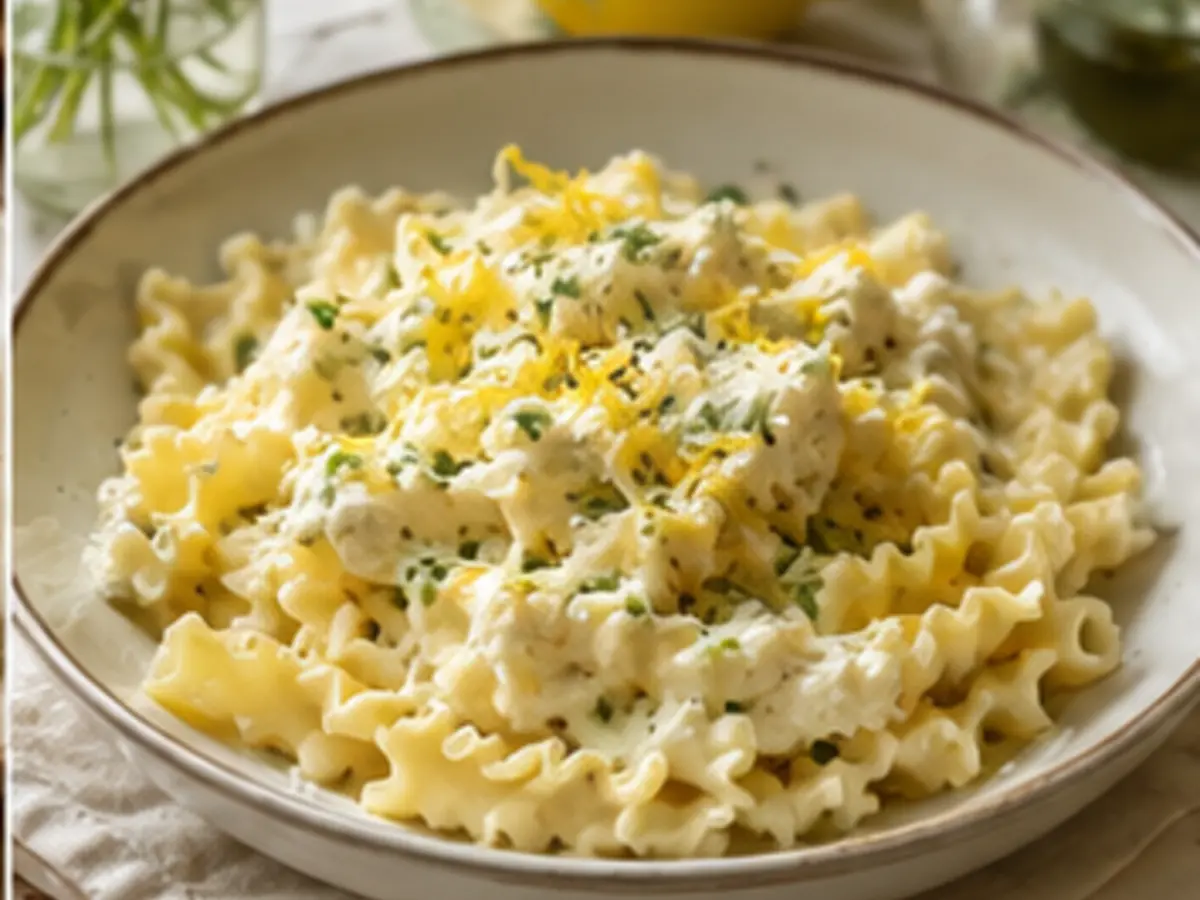
This lemon ricotta pasta is a practical weeknight dinner built around a no-cook sauce. Whole-milk ricotta, finely grated Parmesan, fresh lemon and olive oil become creamy when tossed with very hot pasta and just enough starchy cooking water. Baby spinach wilts in the residual heat, so the finished dish stays bright and fresh rather than heavy. The key is to work away from the burner and add the reserved water gradually: enough makes the sauce glossy, while too much leaves liquid in the bowl.
Dietary labels are based on the listed ingredients. For allergies or celiac disease, verify every packaged ingredient and guard against cross-contamination.
EDITORIAL KITCHEN NOTES
Why this recipe works
Whole-milk ricotta gives the sauce body without needing heavy cream.
Cloudy pasta water supplies starch that helps the ricotta, Parmesan and oil cling to the noodles.
Tossing away from direct heat reduces the chance that the cheese will tighten or turn grainy.
Dry spinach wilts in the heat of the pasta without watering down the sauce.
Ingredient notes
Short pasta
Rigatoni, fusilli or another ridged shape catches the soft ricotta sauce. Check the package early and stop at al dente.
Whole-milk ricotta
Drain any visible watery liquid before measuring. A thick ricotta produces a creamier sauce.
Lemon
Scrub and zest the lemon before juicing. Grate only the yellow skin, not the bitter white pith.
Pasta water
Reserve a full cup before draining, then add it only two tablespoons at a time. You may not need all of it.
Practical substitutions
These are conservative alternatives based on standard kitchen practice; results may vary from the original recipe.
Baby arugula can replace spinach for a peppery finish; fold it in at the same stage.
Pecorino Romano can replace Parmesan, but it is saltier, so reduce the added salt.
Long pasta works, although a wide heatproof bowl and tongs make it easier to coat evenly.
Troubleshooting
The sauce is grainy
Keep the bowl away from direct heat and toss with hot pasta water rather than cooking the ricotta on the burner.
The pasta looks dry
Add reserved water two tablespoons at a time and toss fully after each addition before deciding whether it needs more.
Liquid pools in the bowl
Stop adding water and keep tossing for 30 to 60 seconds; the pasta will absorb some moisture as the sauce clings.
The lemon tastes harsh
Begin with half the juice, taste after tossing and add the rest only if needed. Parmesan and ricotta soften excess acidity.
Storage and freezing
Transfer leftovers to a shallow container and refrigerate within two hours; use within two to three days.
Reheat only the portion needed gently with a splash of water until the centre reaches 165°F (74°C). High heat can make the ricotta grainy.
THE BUTTER & BLOOM RECIPE
Lemon Ricotta Pasta
Print-friendly layout
Preparation time
10 min
Cooking time
12 min
Total time
22 min
Yield
4 portions (estimated)
Cuisine
Italian-inspired
Updated
Ingredients
12 oz (340 g) short pasta, such as rigatoni or fusilli
1 cup (250 g) whole-milk ricotta, any visible liquid drained
1 large lemon, scrubbed (about 1 tablespoon finely grated zest and 2 tablespoons juice, divided)
1/2 cup (45 g) finely grated Parmesan, plus more for serving
2 tablespoons extra-virgin olive oil
2 cups (60 g) baby spinach, washed and thoroughly dried
1/2 teaspoon fine salt, plus more for the pasta water
1/4 teaspoon freshly ground black pepper
Detailed directions for Lemon Ricotta Pasta
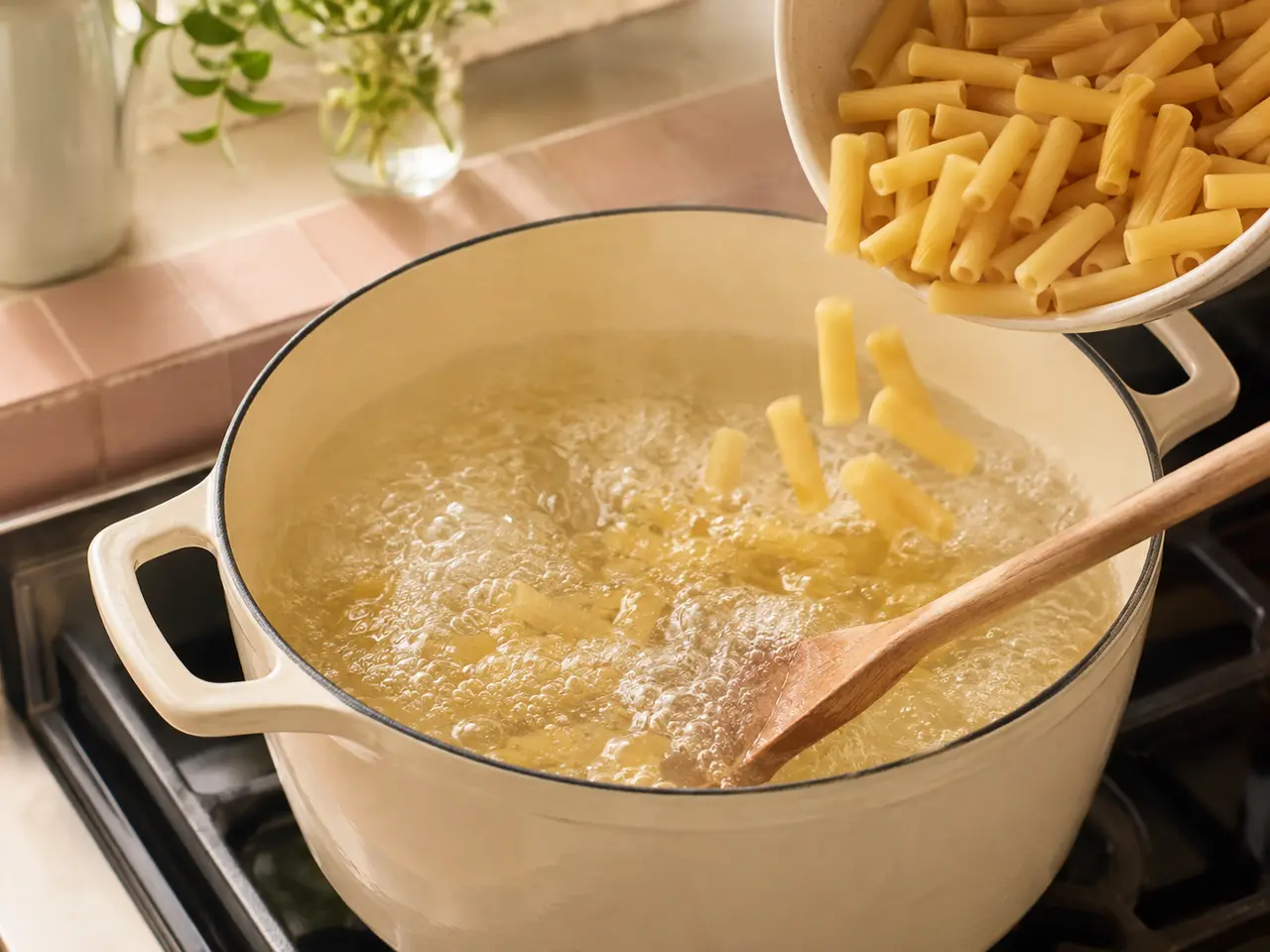
Boil the pasta — Bring a large pot of water to a vigorous boil. Salt the water, add the pasta and stir several times during the first minute. Cook until just al dente according to the package, usually 9 to 12 minutes; the centre should be tender with a slight bite.Lemon Ricotta Pasta · AI-illustrated guide: stir during the first minute and cook only until al dente.
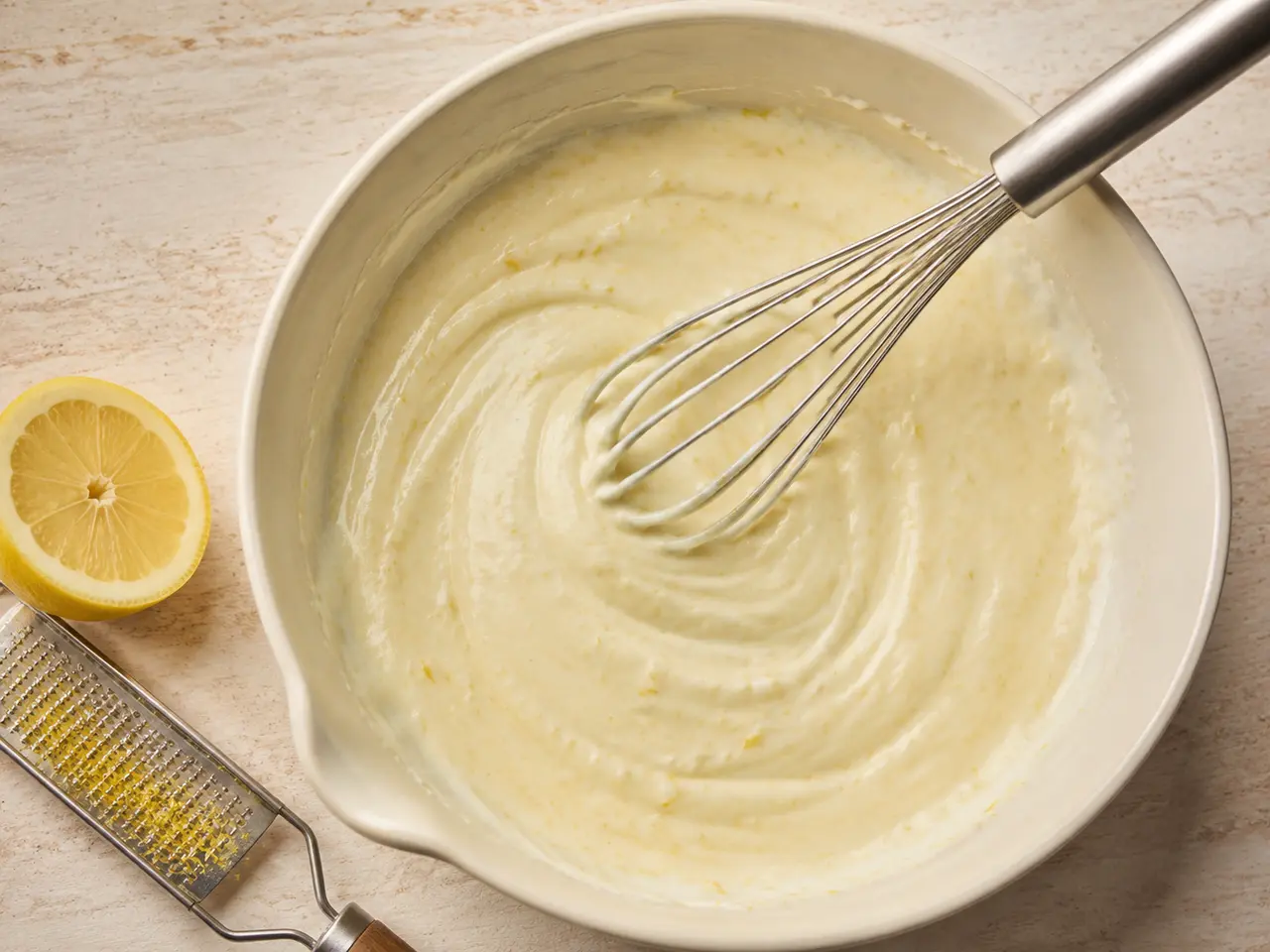
Whisk the no-cook sauce — While the pasta cooks, whisk the drained ricotta, Parmesan, all but a pinch of the lemon zest, 1 tablespoon lemon juice, olive oil, 1/2 teaspoon salt and black pepper in a large heatproof bowl. The mixture should look smooth and thick, not watery.Lemon Ricotta Pasta · AI-illustrated guide: whisk the no-cook sauce until smooth and thick.
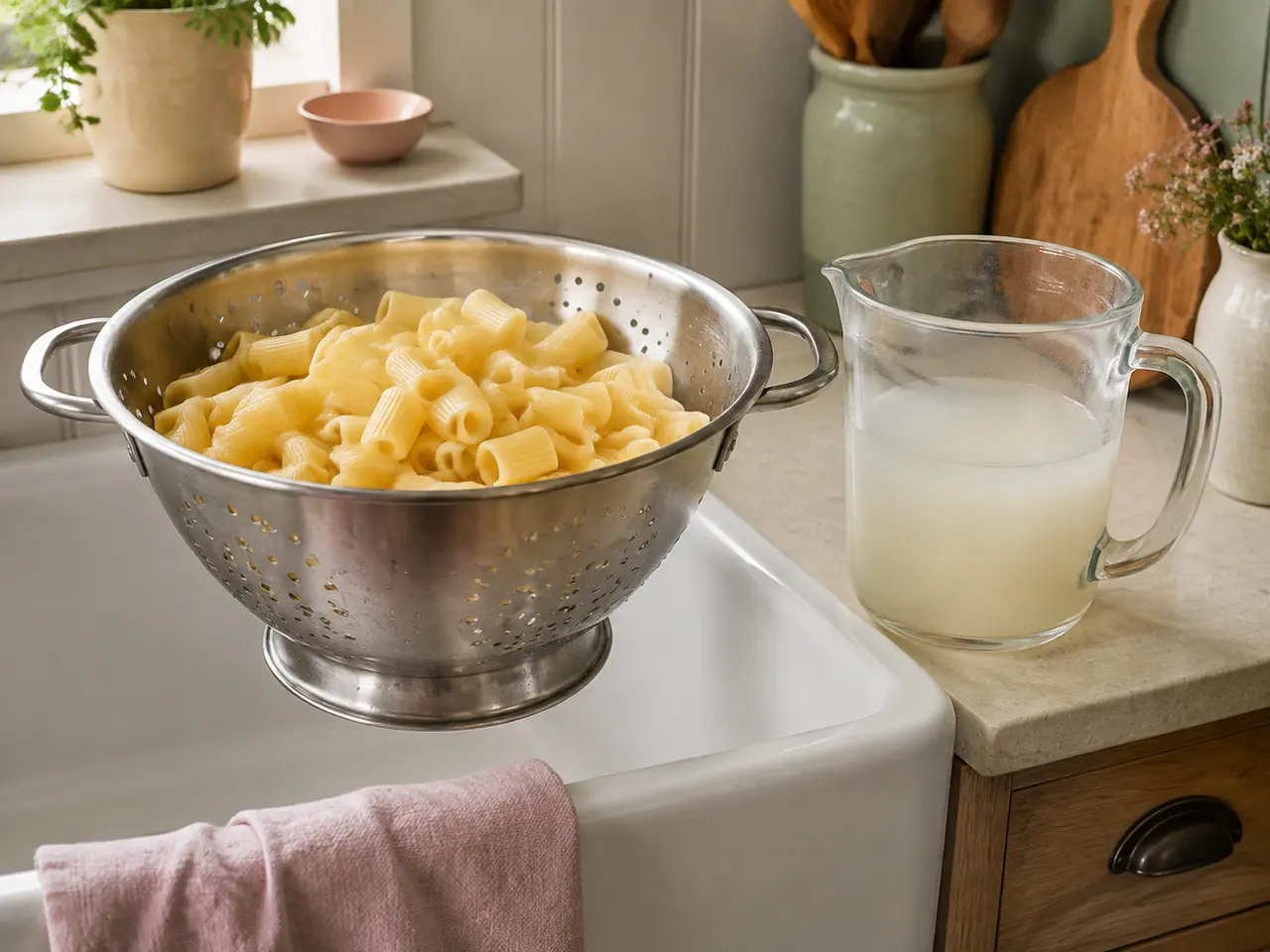
Reserve the starchy water — Before draining, carefully scoop out 1 cup of cloudy pasta water. Drain the pasta promptly without rinsing it; the surface starch helps the sauce cling.Lemon Ricotta Pasta · AI-illustrated guide: reserve the cloudy water before draining, and do not rinse the pasta.
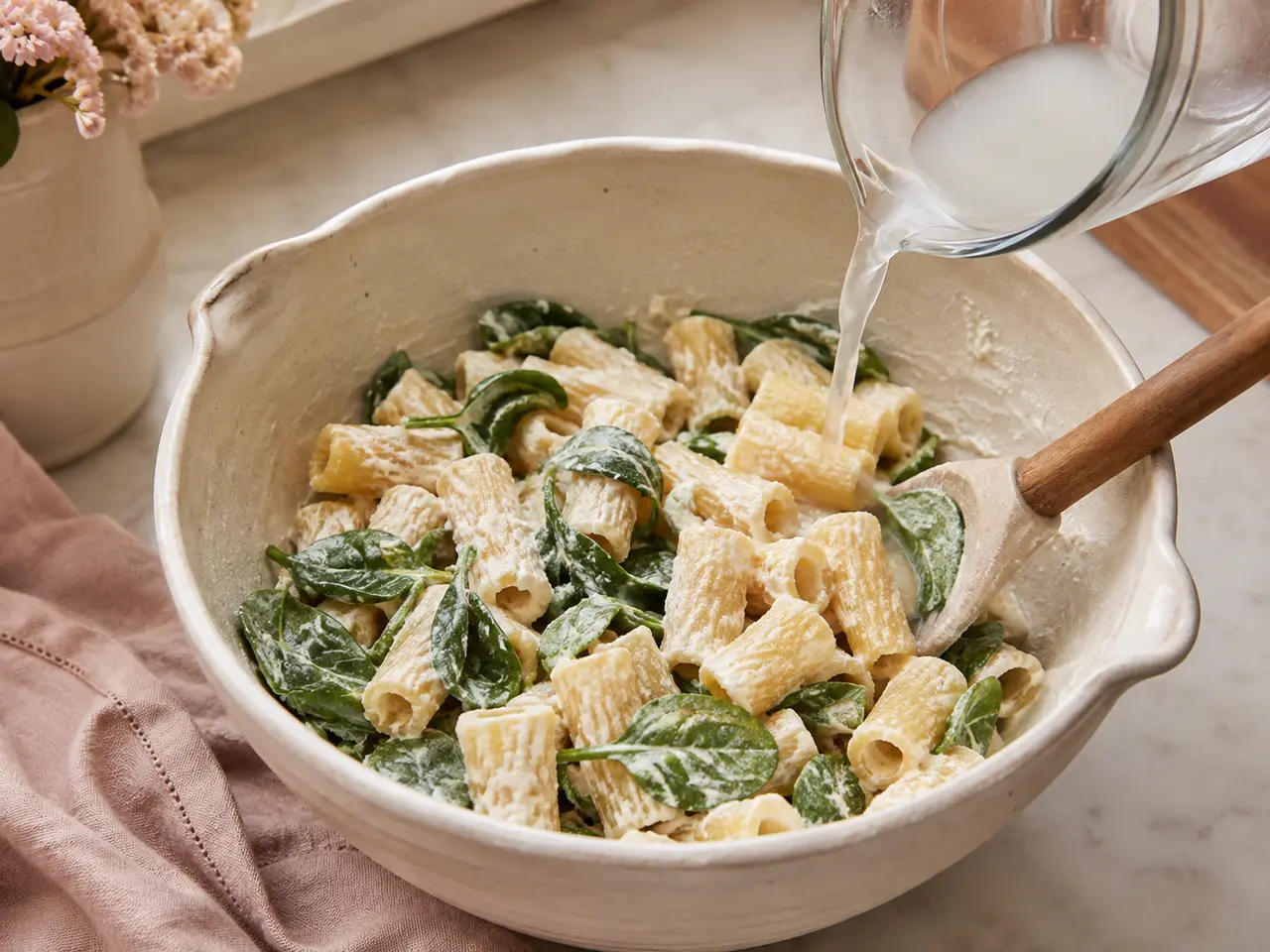
Toss away from direct heat — Immediately add the hot pasta and dry spinach to the ricotta mixture. Set the bowl away from the burner and toss well, adding reserved pasta water 2 tablespoons at a time until the sauce loosens and coats every piece.Lemon Ricotta Pasta · AI-illustrated guide: add pasta water gradually while tossing away from direct heat.
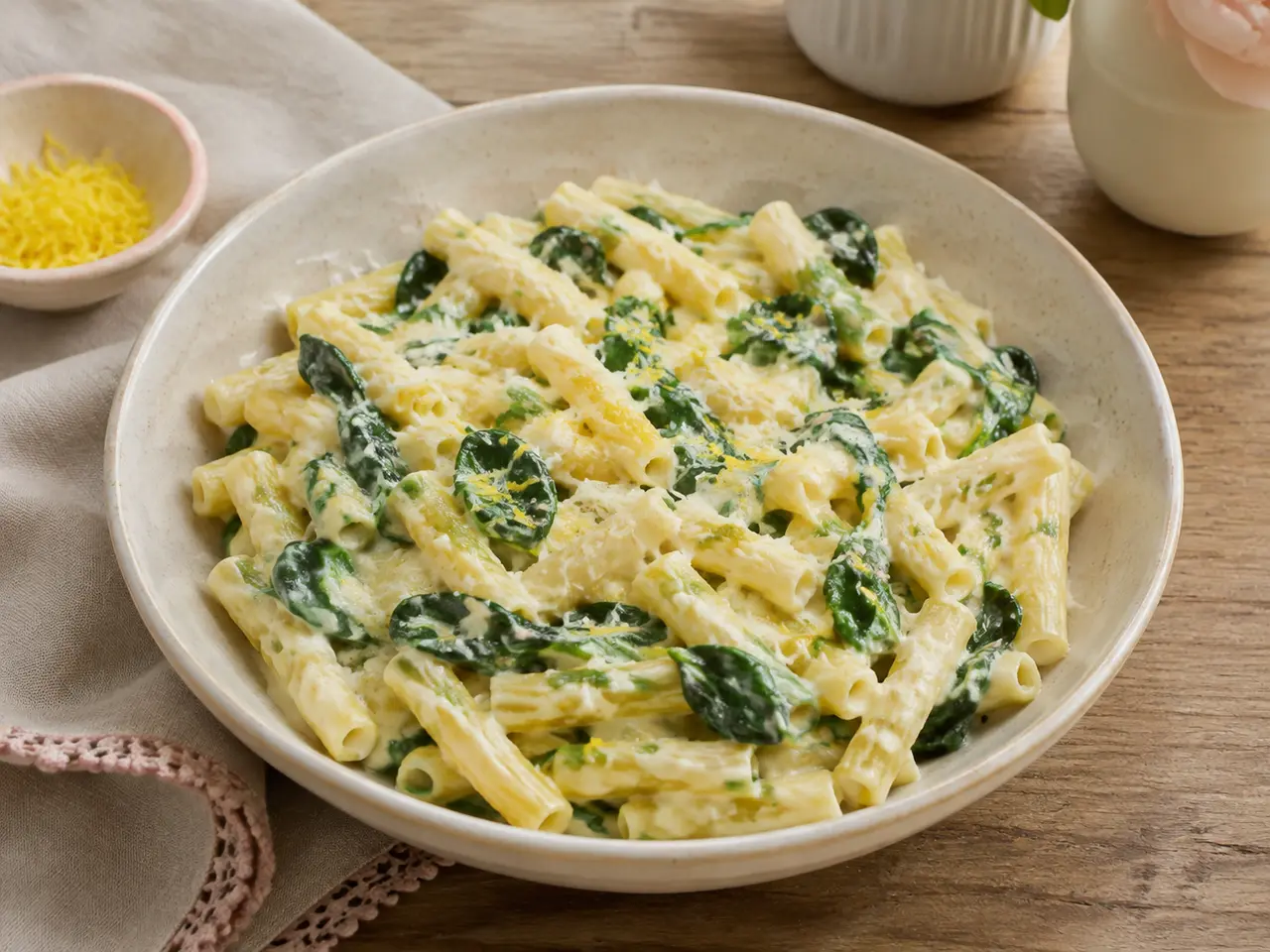
Finish and serve — Keep tossing until the spinach is just wilted and the sauce is glossy, stopping before liquid pools in the bowl. Taste and add the remaining lemon juice only if more brightness is needed. Finish with Parmesan and the reserved zest and serve at once. Refrigerate leftovers in a shallow container within 2 hours, use within 2 to 3 days and reheat only the portion needed gently to 165°F (74°C), loosening with a splash of water.Lemon Ricotta Pasta · AI-illustrated guide: stop adding water when the sauce clings without pooling, then serve immediately.
Keywords: lemon ricotta pasta · creamy lemon ricotta pasta · 20 minute pasta recipe · ricotta pasta without cream · lemon spinach pasta · easy ricotta pasta sauce
Published · Updated
READER REVIEWS
Be the first to review
☆☆☆☆☆
Loading reviews…
COMMON QUESTIONS
Lemon Ricotta Pasta FAQ
How do I make lemon ricotta sauce for pasta?
Whisk drained whole-milk ricotta with Parmesan, lemon zest, part of the juice, olive oil and seasoning. Toss it off the heat with very hot pasta and small additions of starchy pasta water.
Can I make lemon ricotta pasta without cream?
Yes. Ricotta provides the body and starchy pasta water turns it into a silky coating, so heavy cream is unnecessary.
How much pasta water should I use?
Reserve one cup, but start with two tablespoons and add more only after tossing. Stop when the sauce clings and no liquid pools in the bowl.
Can I use low-fat ricotta?
You can, but the sauce will taste less rich and may be slightly grainier. Drain it well and loosen it gradually.
Can lemon ricotta pasta be made ahead?
It is best immediately because the sauce thickens as it stands. If needed, prepare the ricotta mixture ahead, refrigerate it and toss it with freshly cooked pasta just before serving.
KEEP EXPLORING
Recipes to make next
Continue with these closely related recipes from The Butter & Bloom kitchen.