WELCOME TO THE KITCHEN
Start here
The Butter and Bloom is a growing recipe notebook built around Jo’s personal recipes, family food traditions and practical directions for home cooks who want to understand what success looks like.
What makes a recipe ready to publish?
A recipe does not enter the public collection simply because it has a title and an ingredient list. Before publication, the ingredient list is compared line by line with the directions, preparation and cooking times are checked against the method, and instructions are expanded with the visual, texture and temperature cues a beginner needs. Storage and food-safety notes are included only when they apply to that dish.
Personal recipes are identified by their handwritten, family or recipe-development notes. Other recipes may be included because readers are actively looking for them; those pages are researched and edited for clarity, but are not described as personally tested unless Jo has actually made and refined them.
Six good places to begin
For a first breakfast
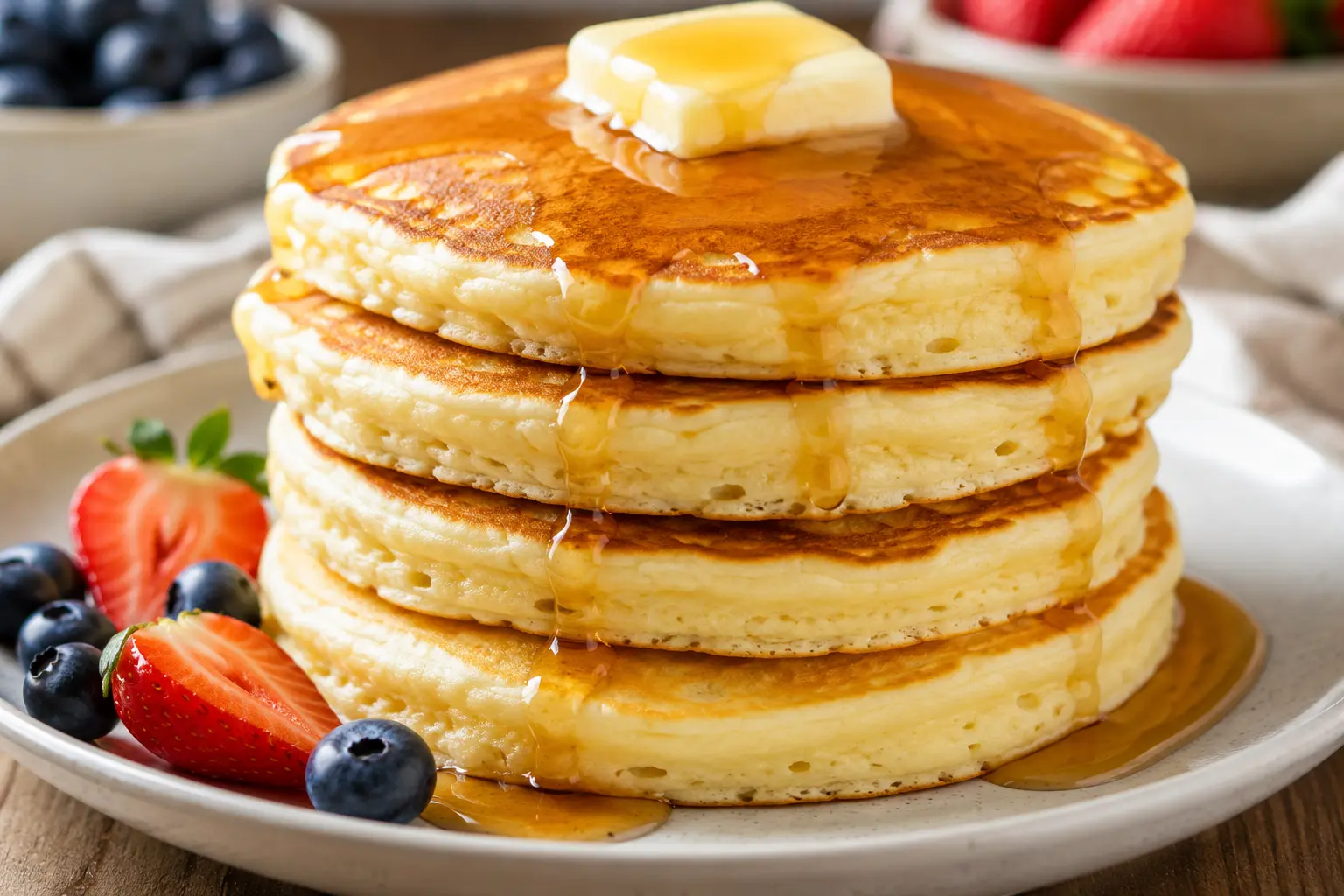
Fluffy Homemade Buttermilk Pancakes
The best fluffy homemade pancakes with crisp golden edges, tender centres and an easy homemade buttermilk shortcut.
Open the recipe →
For a recipe refined by Jo
Apple Cinnamon Streusel Muffins
Warmly spiced apple muffins made with both grated and finely chopped apple, finished with a generous buttery brown-sugar streusel.
Open the recipe →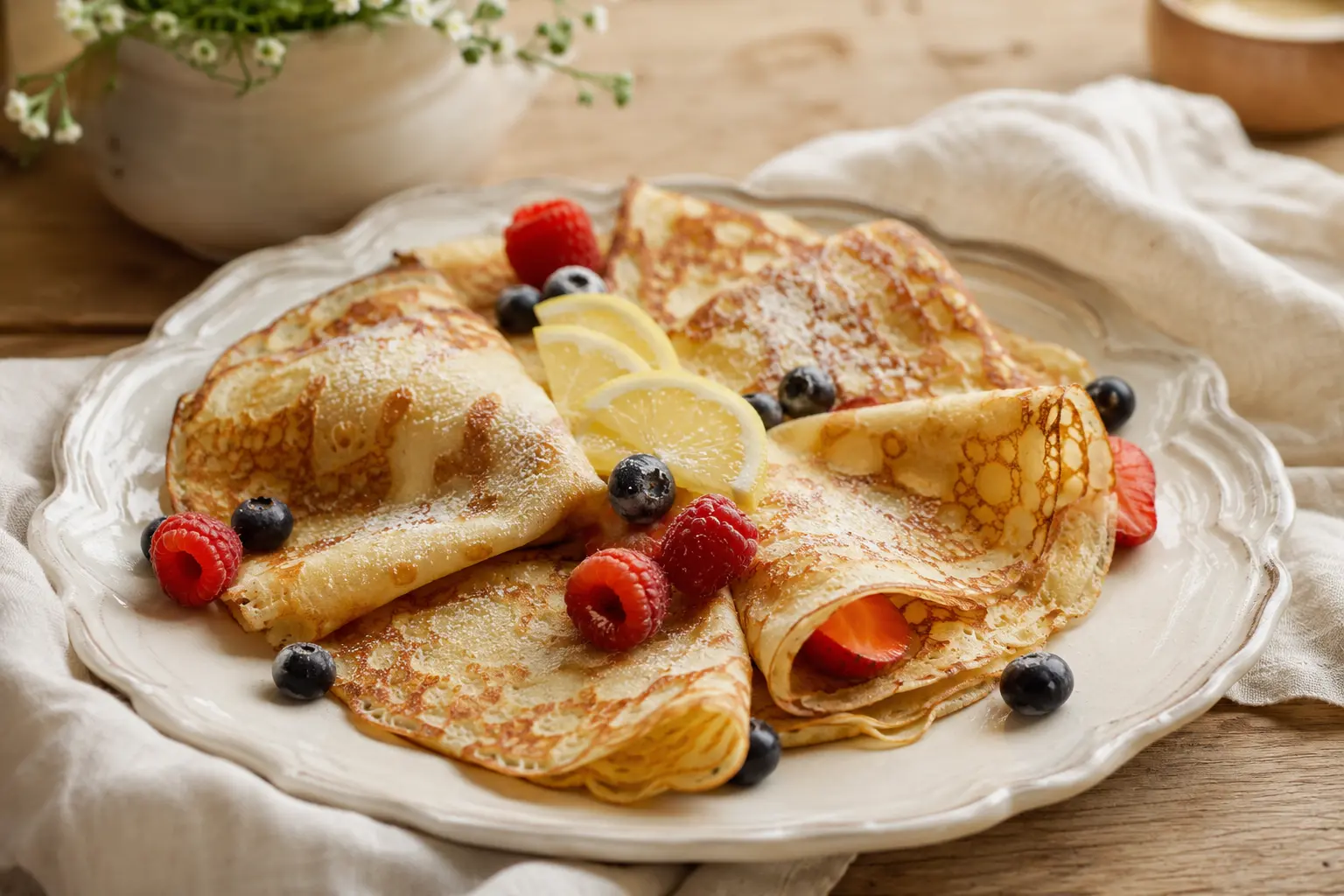
For learning a new technique
Classic French Crêpes
Thin, delicate buttery crêpes ready for berries, lemon sugar or savoury fillings.
Open the recipe →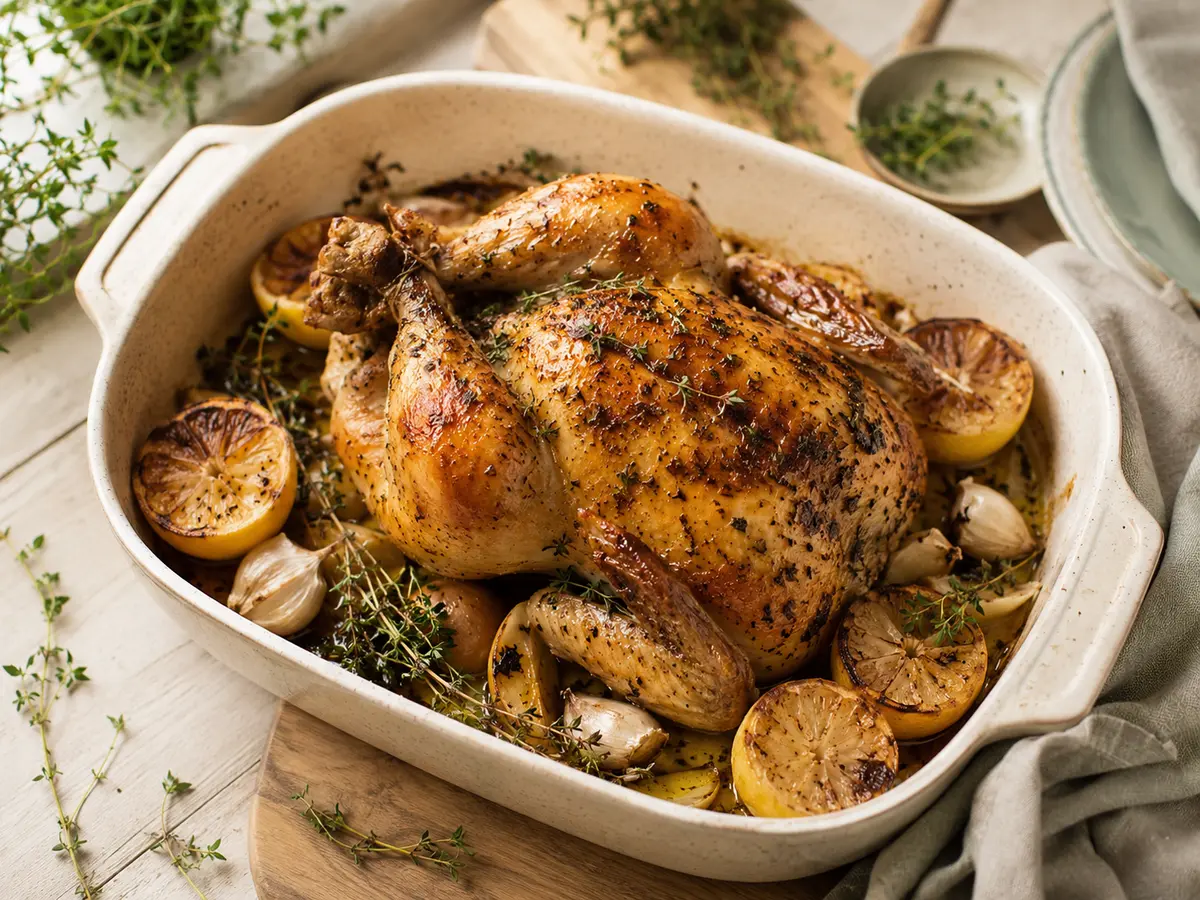
For a comforting Sunday dinner
Garlic Herb Butter Roast Chicken
A dependable whole roast chicken with crackly golden skin, juicy meat and fragrant garlic-herb butter under every slice.
Open the recipe →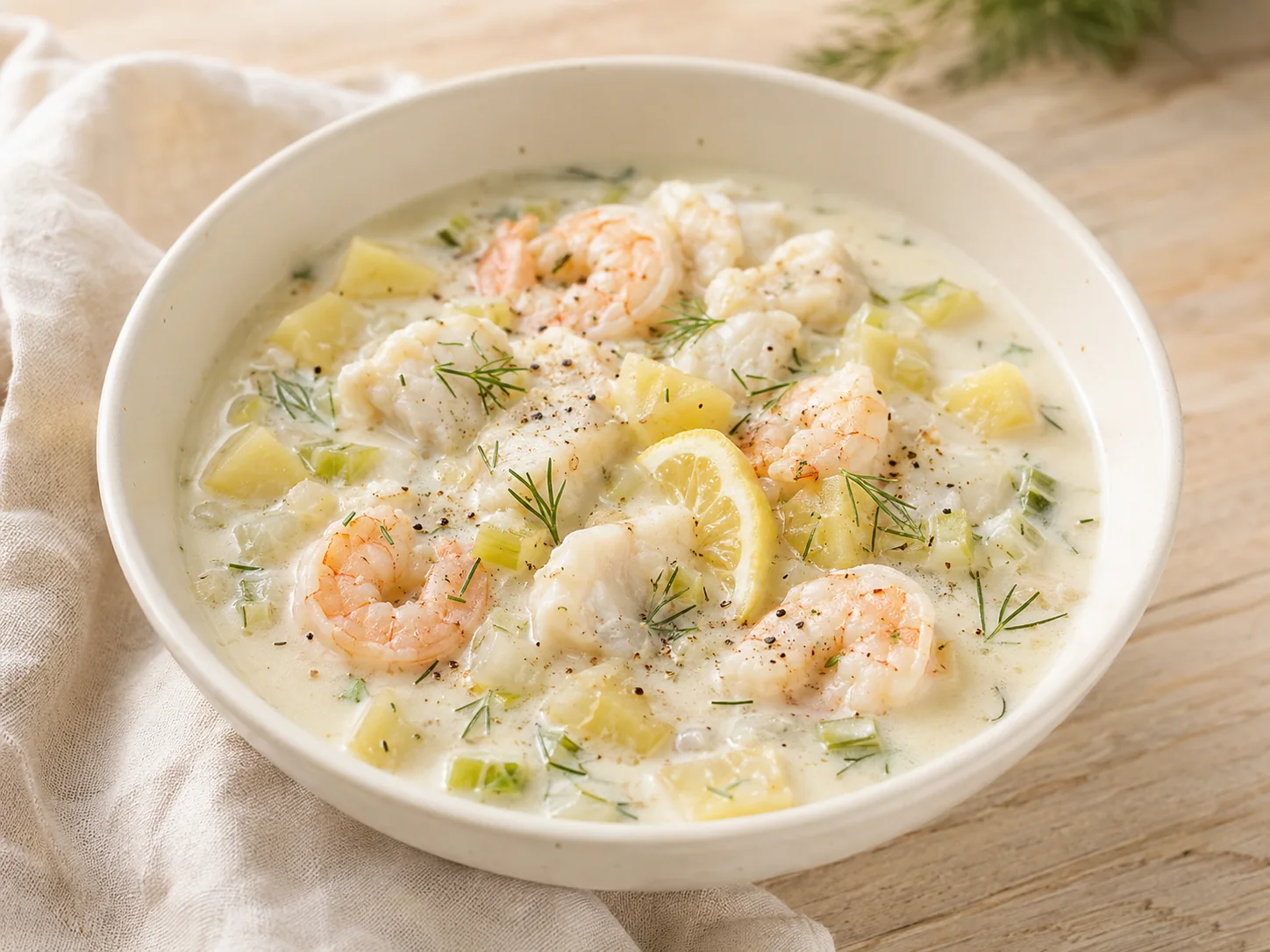
For a cozy one-pot meal
Creamy Seafood Chowder
A rich, comforting seafood chowder made with whole milk, tender white fish, shrimp, Yukon Gold potatoes, celery, dill and a bright finish of fresh lemon.
Open the recipe →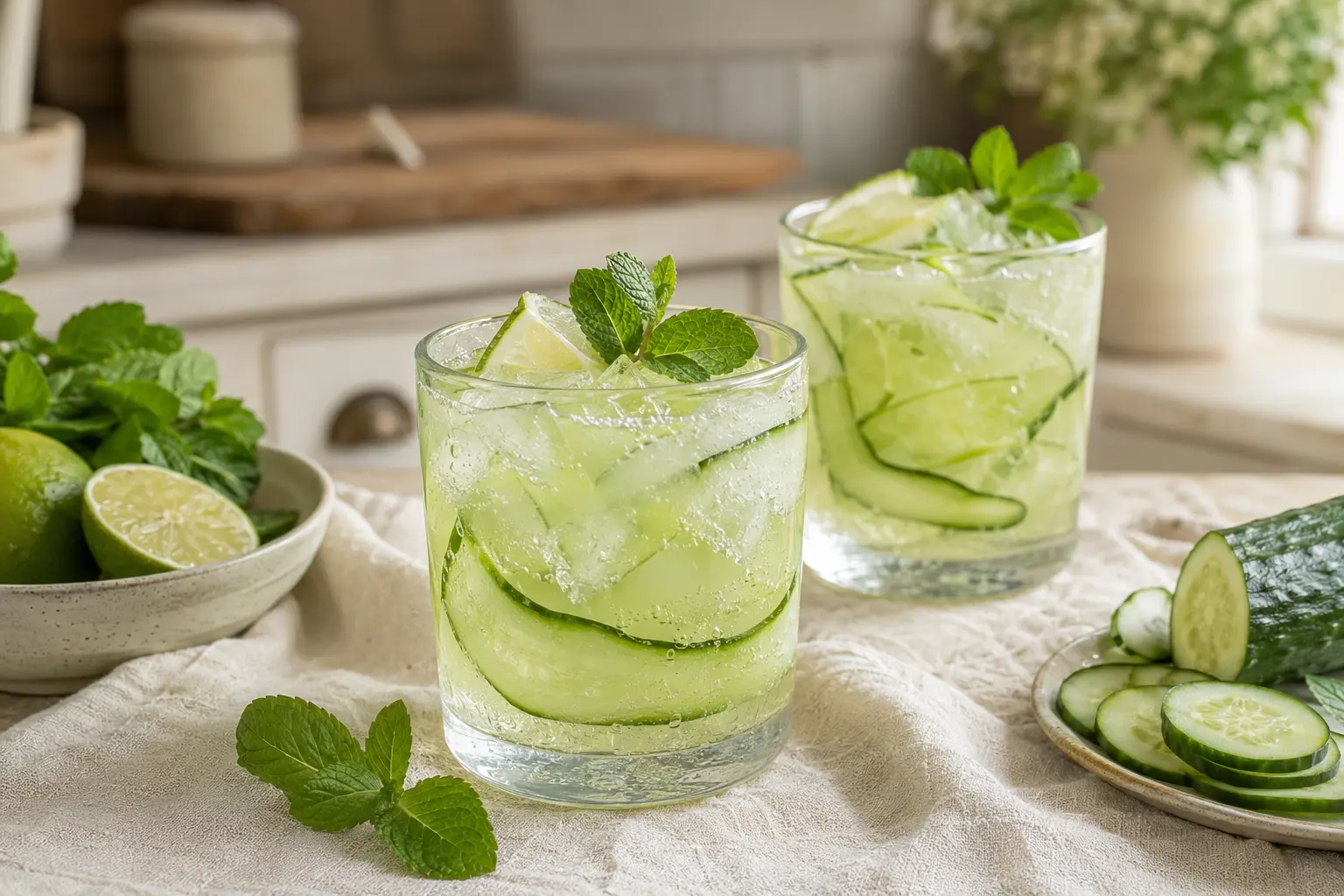
For a refreshing summer drink
Cucumber Mint Cooler
A crisp cucumber-lime cooler muddled with garden mint and topped with sparkling water.
Open the recipe →How to use a Butter and Bloom recipe
Read the complete ingredient list and directions once before turning on the oven or stove. Look for preparation words such as softened, divided, finely chopped or room temperature; they often determine whether a method works smoothly. Gather the equipment and prepare ingredients first, especially for quick recipes such as crepes, steak bites and stir-fries.
Treat time as a guide and the doneness cue as the decision. Ovens, pans, ingredient temperatures and portion sizes vary. A muffin that springs back in the centre, a pancake with bubbles that stay open, or meat that reaches a safe internal temperature tells you more than the timer alone.
What the labels mean
Vegetarian, vegan and gluten-free labels are based on the ingredients written in the recipe. They are a browsing aid, not a medical guarantee. Packaged products can change and cross-contact can happen in a home kitchen, so readers managing allergies or celiac disease should check every label and use equipment appropriate to their needs.
Corrections are welcome
Useful recipe sites improve when readers point out confusing wording or a result that does not match the directions. If you spot something that needs attention, include the recipe title, the exact step and what happened in your kitchen.
Read the complete recipe standards →
Send a correction or question →